
A major lawsuit tied to Signature Bank's dramatic 2023 collapse is back in court. A U.S. appeals court has revived shareholder securities fraud claims against former bank executives and accounting giant KPMG, reversing an earlier decision that had shut down the case.
The ruling came from the 2nd U.S. Circuit Court of Appeals. The court rejected an argument from the Federal Deposit Insurance Corp., or FDIC, that the agency had the exclusive right to pursue the disputed claims after taking control of the failed bank.
That distinction carries serious consequences for Signature Bank investors. The bank's shares once traded around $70 during the period surrounding its collapse, before eventually sinking as low as $0.09. Investors who watched that value disappear now have another chance to argue that misleading statements contributed to their losses.
Appeals Court Rejects the FDIC's Key Argument
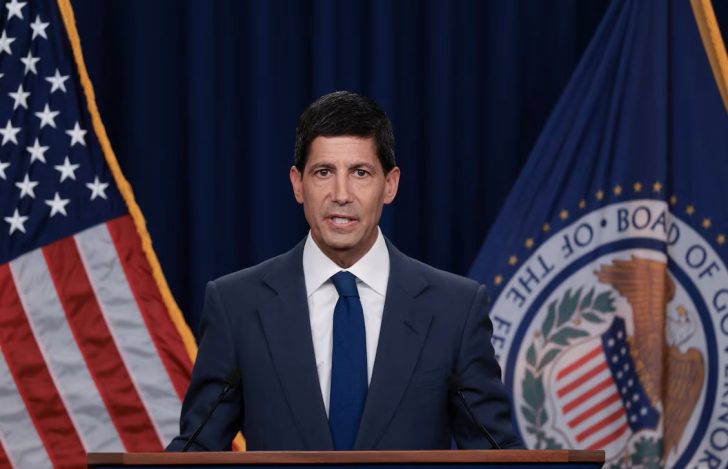
Eca / Congress passed the Financial Institutions Reform, Recovery, and Enforcement Act of 1989 - AKA FIRREA - after the savings and loan crisis shook the U.S. financial system.
FIRREA gives the FDIC broad authority when it becomes receiver for a failed financial institution. One provision allows the agency to succeed to certain legal rights and claims that previously belonged to the bank, its shareholders, members, account holders, and directors.
That succession provision became central to the Signature Bank case. The FDIC argued that once it became the bank's receiver, it gained the exclusive right to pursue the type of legal claims raised by shareholders.
A lower federal court agreed with that interpretation. U.S. District Judge Frederic Block previously dismissed the shareholder case after finding that the FDIC had standing to pursue the relevant claims under FIRREA. The 2nd Circuit reached a different conclusion. The appeals court determined that the securities fraud claims brought by shareholders were distinct from claims belonging to Signature Bank itself.
That difference comes down to who allegedly suffered the injury. The bank may have experienced corporate losses from poor decisions or misconduct, but investors say they experienced another kind of harm after buying securities based on allegedly misleading information.
Shareholders claim they relied on public statements about Signature Bank's financial position, liquidity, and risk controls. If those statements were false or misleading, investors argue that they suffered direct losses when the truth emerged, and the share price collapsed. The appeals court's reasoning gives those shareholders room to pursue their own claims.
Signature Bank's Crypto Exposure Returns to Center Stage
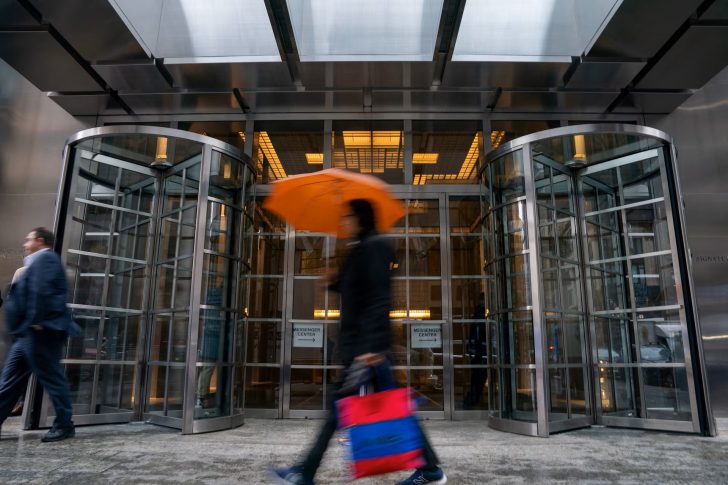
AGN / The lead plaintiff is AP7, a Swedish national pension fund. The lawsuit focuses on statements allegedly made by Signature Bank and its leadership between April 23, 2020, and the bank's collapse in March 2023.
Shareholders accuse former executives of making inaccurate or misleading statements about liquidity and risk management. They also claim the bank failed to properly communicate the dangers created by its funding structure and concentration of cryptocurrency-related deposits.
Signature Bank had developed close ties to the digital asset industry. More than 20% of its deposits came from the crypto sector, according to figures cited in the case, leaving the bank exposed when confidence in digital assets and related businesses weakened.
Its reliance on uninsured deposits created another concern. By 2021, about 92% of Signature Bank's deposits were reportedly uninsured, meaning they exceeded the standard limits of federal deposit insurance.
The concentration went even further. About 40% of deposits reportedly belonged to only 60 clients. That structure meant a relatively small group of large depositors could move huge amounts of money very quickly if confidence in the bank disappeared.
That vulnerability became critical during the banking turmoil of March 2023. Silicon Valley Bank failed after a rapid deposit run, spreading fear among customers and investors at other regional banks with large uninsured deposit bases. Signature Bank quickly came under pressure. Customers withdrew more than $10 billion in a single day as anxiety spread through the financial system.