
Travel planning has always demanded patience, precision, and a good sense of timing. In recent years, artificial intelligence has entered the mix, changing how people plan trips and how professionals curate them. Yet, despite predictions that AI would replace traditional travel agents, the technology is actually elevating their work. It’s making travel agents faster, more accurate, and more insightful, not obsolete.
The travel industry is undergoing a major transformation as platforms like Google Flights, Kayak, and Expedia introduce AI-driven search tools that simplify complex trip planning. These tools help users find destinations, compare fares, and even build itineraries.
However, AI alone can’t capture the nuance of human taste, cultural insight, or personalized service, and that’s where professional travel agents continue to shine.
AI Tools Revolutionize How People Search
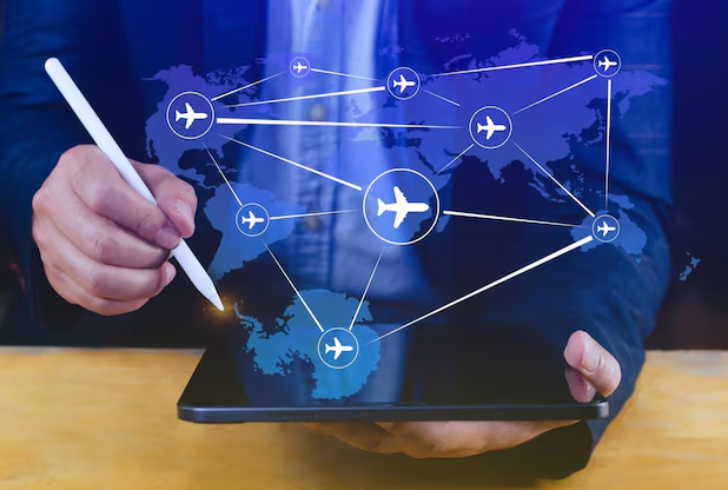
Freepik | AI tools now make travel searches faster and smarter, but human experts still fill the gaps.
Earlier this year, Google Flights introduced an AI-powered search option that allows users to type queries like “Christmas week trips on a budget.” Within seconds, it ranks global destinations based on price and value. Similarly, Kayak’s new AI Mode lets users ask conversational questions such as, “Find a five-night luxury vacation from NYC for under $10,000.”
While these innovations impress with their speed, they still face practical limitations.
For example, some AI-generated travel suggestions can overlook local regulations, such as Europe’s strict hotel occupancy limits. These gaps highlight the difference between an algorithm’s convenience and an agent’s expertise.
Why AI Needs a Human Touch
Companies across the travel sector, from luxury brands like Black Tomato to online giants like Expedia, are harnessing AI to enhance their services. But rather than replacing human advisers, AI acts as a co-pilot, handling repetitive tasks and data-heavy searches while agents focus on relationships and customization.
According to a global survey by Expedia Group’s research division, 86% of travelers are eager to use AI to plan and book trips. This rising trust in technology is changing expectations, but it’s also giving professional agents a chance to add more value.
By using AI strategically, agents can now anticipate client needs, spot price fluctuations instantly, and deliver hyper-personalized experiences.
Inside the AI Advantage for Agents
One standout example is the travel agency Fora. It equips its 10,000 travel designers with Price Drop, an in-house AI tool that continuously scans flight and hotel data for real-time price changes. When it finds a lower rate, the agent gets an alert and can decide whether to rebook the client’s reservation.
Fora cofounder Henley Vazquez explains that human judgment remains key: “If the discount is significant, that’s a chance to start a conversation, not just an automatic change.” This combination of machine efficiency and human discernment ensures that travelers benefit from both technology and trusted advice.
This hybrid approach delivers something DIY booking sites rarely can: proactive service. While consumers might monitor airfare drops through apps, few reliable tools exist for hotel price tracking. Even if they do, they often charge high fees or require constant user attention. Travel agents using AI eliminate that hassle completely.
The State of the Modern Travel Industry

Freepik | Despite disruption, the travel agent industry is thriving, generating $110B in 2023 US bookings.
Despite technological disruption, the travel-agent industry is thriving. The American Society for Travel Advisers estimates there are roughly 100,000 professional planners worldwide. A 2025 report by Phocuswright revealed that US travel agencies generated $110 billion in bookings in 2023, a 28% increase over the previous year.
The surge isn’t just about post-pandemic demand. It’s also tied to the smart use of AI, which helps agents process data faster, identify trends, and enhance client engagement. Many professionals argue that while AI can gather information, it still can’t replicate emotional intelligence, creativity, or taste, three qualities that define great travel design.
What AI Can’t Offer Travelers
Taste remains a challenge for AI-driven platforms. Travelers can easily ask ChatGPT or other chatbots for a list of top luxury hotels, but the results often feel generic. Technology lacks the intuitive sense of what a specific traveler might value most, whether it’s a boutique property with a local chef, a quiet resort for wellness, or a hotel near a hidden beach.
That’s why travelers like points expert Rachel Lipson continue to rely on human agents. Lipson uses AI tools for inspiration but turns to professionals for upgrades, early check-ins, or exclusive perks like free breakfasts. “You won’t find the benefits of a seasoned travel agent on ChatGPT,” she says.
Agents Use AI to Get Even Better
Forward-thinking agencies are now building proprietary AI systems tailored to their clients. Embark Beyond, led by founder Jack Ezon, has invested nearly $3 million in developing an AI-powered “clientelling” tool. This system uses detailed data to match travelers with hotels that align with their personal interests.
For instance, if a family loves horseback riding, the software might suggest Eden Roc Cap Cana in the Dominican Republic. The technology helps agents fine-tune suggestions, while human advisers provide emotional context and creative flair.
Ezon describes this approach as high-tech meets high-touch. “If a client loves Ferragamo shoes, and we’ve just partnered with the brand to offer behind-the-scenes factory tours, that’s where AI helps us connect passion with opportunity,” he explains. The system alerts agents about new experiences that match client preferences, turning simple trips into curated journeys.
Seamless Personalization Through AI Insights

travelagentcentral.com | Fora boosts tech edge by acquiring Legends AI for custom itinerary creation.
Fora continues to expand its technological edge. The company recently acquired Legends, an AI insights tool scheduled for rollout in 2026. With client permission, Legends can scan digital cues like photo libraries or calendars to identify habits and preferences. Does a client prefer early mornings, beach clubs, or late-night dining? The system helps agents design itineraries tailored to those details without tedious questionnaires.
Vazquez stresses that this tool respects privacy, saying, “The data never gets stored once the insights are processed.” The goal is not surveillance but seamless personalization, eliminating the repetitive “getting to know you” process every time someone plans a trip.
Why Human Expertise Still Matters
The rise of AI has simplified basic trip planning, but true value still comes from understanding human emotion and context. Travel agents pair logistical expertise with empathy, delivering reassurance, personalization, and creative problem-solving that algorithms can’t match.
AI may be powerful, but it struggles with cultural nuance, emotional intelligence, and adapting to unexpected changes. Human experts excel at reading clients, resolving issues, and elevating trips from good to unforgettable.
Instead of replacing agents, AI is redefining their role. Those who embrace it become faster, more informed, and more innovative, while those who ignore it risk falling behind.
Travelers now enjoy the best of both worlds: smart automation for efficiency and human insight for truly tailored experiences. Ultimately, AI isn’t a threat to travel agents—it’s their strongest ally.